
What speaker would you like to hear?
In Person Event
OR
Zoom Webinar?

**Attendees will attend program meeting in its entirety, including required sign in, in the Zoom chat box, at the beginning of the presentation. Attendees will be asked to respond to presenter questions in the chat box (as indicated) and/or participate in posted polls (as indicated). Attendees will be required to complete the program evaluation, including but not limited to self-assessment, at the end of the course as well as ASHA bubble sheet (as appropriate for individuals seeking ASHA credit), using the posted google form links in the chat box at the end of the program meeting.
This course is offered for .2 ASHA CEUs (Intermediate level, Professional area)
Learning Outcomes – Attendees will be able to:
● Compare and contrast the traditional “tissue based” explanatory model of change with neurologically based models, with respect to manual therapy.
● Describe the traditional “weak to strong” explanatory model that minimizes attribution of neurologic change, with respect to manually resisted movement when combined with manual therapy.
● Explain how shared decision-making can work within a wide range of intervention strategies.
Time Ordered Agenda:
5:00-5:30pm: Introduction to the science and evidence to support manual therapy
5:30-6:00pm: Exercise for SLP-related disorders
6:00-6:30pm: Introduction to shared decision-making
6:30-6:50pm: Application of shared decision-making within manual therapy interventions
6:50-7:00pm: Q&A
Disclosures:
Financial Relationships:
-Walt is receiving an honorarium from CASHA for this webinar.
-Walt receives royalties from course content through Talk Tools
Non-financial Relationships:
-None
What speaker would you like to hear?
In Person Event
OR
Zoom Webinar?
January 2027
Zoom Webinar
Topic: Service Delivery
February 2027
Zoom Webinar
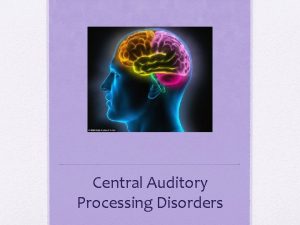
Topic: CAPD